
How Physical Therapy in Pearland Supports Pain Relief and Mobility
Pain may cause people to find daily activities harder than they should be. Simple tasks like walking, exercise, work, or even getting out of bed might become uncomfortable due to some injuries, limited mobility, or any other health issue. While rest might work sometimes, most people need a systematic way of tackling the issue of movement.
Physical therapy in Pearland will be helpful for anyone having pain, restricted movement, weakness, or discomfort during movement. With the help of movement-based therapy, strength training, stretching, balancing, and educating sessions, one can gain confidence in themselves and reach their functional goals.
Understanding How Physical Therapy Can Help
Physical therapy is primarily concerned with enhancing movement and function. Instead of just looking at where pain occurs, a physical therapist looks at aspects such as movement, muscle strength and flexibility, and balance that could be causing the problem.
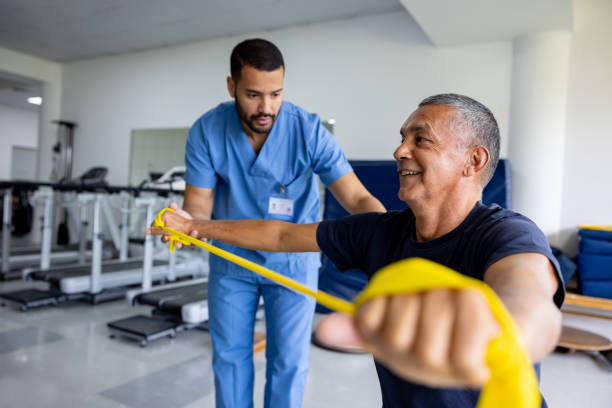
At Live to Move Physical Therapy & Wellness, treatment is tailored to the individual patient. Treatment sessions are one-on-one, allowing both the therapist and patient to concentrate on their goals and how they pertain to real life. This makes it easier to determine what is causing pain and how it can be alleviated through exercise.
The intention is not just to finish exercises during the treatment session. The patients will be taught proper movement techniques and ways of applying them in their everyday life.
Supporting Pain Management Through Movement
Pain can, at times, lead individuals to withdraw from movement as they fear that moving may worsen their condition. However, withdrawing from movement completely may actually result in stiffness, weakness, and lack of confidence in the long run.
Through a well-designed physical therapy program, the introduction of proper levels of movement is made possible. This may range from exercises of movement, strengthening, flexibility, balancing, to functional movement, based on individual needs.
In Pearland physical therapy, exercises can be modified based on the present ability level of the individual. The body response can be measured and modifications made accordingly as the strength and mobility levels increase.
Through this process, the patient becomes an active participant in his or her healing process.
Improving Mobility and Everyday Function
Mobility includes much more than the ability to move from one room to another. This can include how easy it is for a person to work, exercise, enjoy leisure activities, travel, or complete household chores.
Mobility restrictions can occur due to an injury, surgery, lack of use, and/or loss of strength and flexibility. A physical therapist can evaluate such restrictions and devise a plan of treatment that is activity-based.
For instance, an individual who experiences difficulty in climbing the stairs can focus on developing leg strength, balance, and proper body movements. An individual who is coming back from an injury and is looking to start exercising will first build their strength and coordination before advancing to other exercises.
The active treatment strategy used by Live to Move Physical Therapy & Wellness includes involving the patient in the process of rehabilitation.
Building Strength for Long-Term Movement
Strength is an important factor in mobility and functionality. Certain muscles that are weak make movement difficult, and other parts of the body will have to take over.
Therapists can prescribe strengthening exercises according to the area that needs help. These will depend on what the goals of the patient might be and can include exercises like body-weight work, resistance training, balancing exercises, and others.
The building of strength takes time. Exercises can be graduated according to ability.
Being stronger allows people to get back into their hobbies and training.
Improving Flexibility and Range of Motion
Stiffness can limit even basic motions of the body. Limited range of motion may affect the joints as well as the muscles near the joints. It may be hard for a person to do such actions as reaching out, bending, rotating, squatting, and others that they normally do.
A physical therapist can use exercises aimed at improving the range of motion of the patient according to their assessment. These exercises are done according to the needs of the patient.
Gradual improvement in movement will ease up a person’s everyday actions.
The Importance of Individualized Care
The level of pain and mobility difficulties experienced by everyone is unique. Even two patients who share symptoms can have entirely contrasting patterns of movements, exercise routines, objectives, and rehabilitation requirements.
This is the reason why individualized treatment is one of the integral parts of physical therapy in Pearland. During the first assessment, parameters like strength, range of motion, flexibility, and balance can be tested.
One-on-One Appointments at Live to Move Physical Therapy & Wellness: At Live to Move Physical Therapy & Wellness, the one-on-one appointments ensure that the patient has the chance to interact directly with the physical therapist during the whole duration of the session.
Helping You Return to the Activities You Enjoy
The ultimate aim of physical therapy might also be associated with some kind of meaning beyond physical therapy itself. The meaning may be playing the sport again, walking normally, exercising without the restrictions imposed, keeping up with their family or just being more confident about themselves in daily routines.
Pearland physical therapy can help patients reach such an aim through functional training rather than through exercise as an end in itself. They will be able to learn certain techniques and exercises associated with physical challenges of their life.
An active and consistent approach can also help people better know their body and participate actively in the process of rehabilitation.
Take an Active Approach to Better Movement
Pain and immobility do not need to dictate your everyday movement strategy. By undergoing the right type of assessment and exercise program along with professional advice, you might become able to work towards a change through the means of physical therapy.
Live to Move Physical Therapy & Wellness offers private physical therapy sessions based on the needs of individuals and their functional objectives. If you suffer from any sort of injury, movement difficulties, or simply want to increase your physical capacity, physical therapy might just be what you require.
In case you experience pain or limited movement in performing your day-to-day activities, it may be worthwhile considering consultation with a physical therapist on the viability of physical therapy for your case.
Frequently Asked Questions
1. What conditions can physical therapy help with?
Physical therapy can be helpful to people suffering from movement restrictions due to injury, musculoskeletal problems, weaknesses, inflexibilities, and many other issues. Treatment varies according to the person’s assessment and requirements.
2. How does physical therapy support mobility?
Therapy may be done through exercise for issues related to strength, flexibility, balance, coordination, and range of motion. These issues may help improve physical movements and enhance one’s physical performance.
3. Is physical therapy only for people recovering from injuries?
Not at all. Physical therapy could be of help to those people trying to achieve better mobility, strength, and balance. Physical therapists have the ability to examine patients and find out what method works best for them.
4. What goes on during a physical therapy evaluation?
The evaluation can involve tests for strength, range of motion, flexibility, balance, and movement. This allows the therapist to know what the restrictions are and formulate a proper plan for treatment.
5. How often should I attend physical therapy?
This depends on the person’s state, objectives, progress, and plan. The physical therapist can offer advice concerning this matter after evaluating the situation and reaction to therapy.
BY: Live To Move
Physical Therapy
COMMENTS: No Comments