
Your 4 Questions About Plantar Fasciitis Answered!
Your 4 Questions About Plantar Fasciitis Answered!
What is the plantar fascia anyways?
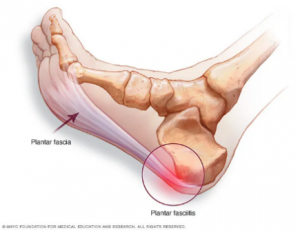
Plantar fascia is a thick band of tissue running along the bottom of your foot extending from your heel to the base of the toes. This band of tissue helps to propel you forward when you walk and run. You also have multiple muscles that attach to and/or cross the plantar fascia.
So what is plantar fasciitis?
Plantar fasciitis is when the plantar fascia becomes inflamed and can be very painful with walking, standing, and running. Plantar fascia can have many causes and the pain can vary from very severe, sharp pain, to a less intense, achy pain. Usually there is a significant and sudden change in your activity level that will give rise to inflammation of the plantar fascia, such as starting a new walking routine or increasing the mileage of your walking/running routine too quickly.
How do I know if I have plantar fasciitis?
If you have pain around the bottom of your heel, arch, or around the base of the toes along the bottom of your foot this could be indicative of plantar fasciitis. You may also have tightness through your calf muscles and/or your big toe. Do you have pain in your feet when you take your first few steps after getting out of bed in the morning which resolves at least somewhat with walking around? Do you also have pain with prolonged standing and walking? These factors can all be indicative of plantar fasciitis, but you should go see a Doctor of Physical Therapy at Live to Move to determine if you have it and could benefit from therapy.
How can physical therapy help?
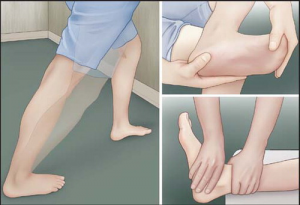
A physical therapist can assess you for the root cause of your pain through reviewing your history and performing a physical exam. Your physical therapist will then write a plan of care to determine how much therapy you may need. Your treatment sessions will likely include a combination of manual therapy to get the joints and soft tissues moving optimally, as well as strengthening and stretching of the ankle, knee, and hip muscles to address any muscles imbalances. You will also receive education regarding any activity modifications you should make with your daily activities. (You can also ask about dry needling which is another tool used at physical therapy to address your pain and get you back to your activities as quickly as possible!)
Don’t let plantar fasciitis hold you back any longer. Contact Live To Move Physical Therapy today to schedule your consultation and start your journey toward a pain-free, active life. Your feet—and your future self—will thank you!
BY: Live To Move
Other
COMMENTS: No Comments